
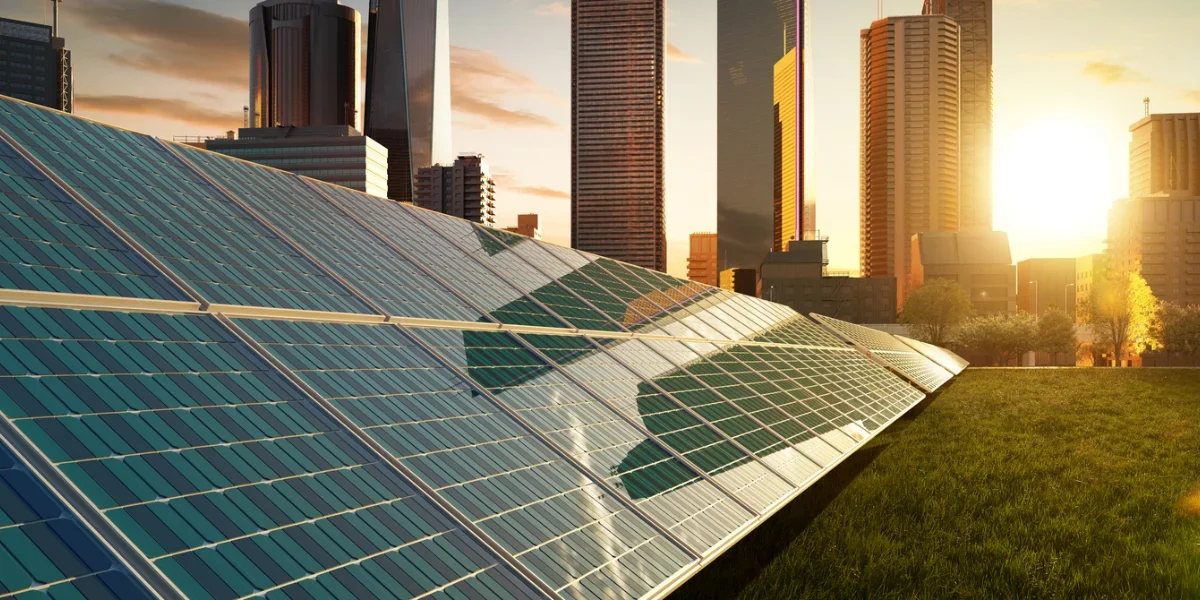
Cornwall is widely regarded as the UK’s renewable energy powerhouse. With its unique geography, the county boasts the highest solar irradiance in the country and a coastline that is currently being prepared for the next generation of floating offshore wind. As we move through 2026, the transition to sustainable energy Cornwall is no longer just a high-level policy goal, it is a practical reality for thousands of residents who are looking to lower their energy bills and protect the environment.
The Cornwall Council “Carbon Neutral Cornwall” plan has set a bold mission to lead the UK in decarbonization. For homeowners, this means that the resources, grants, and sustainable energy companies Cornwall needed to make a change are more accessible than ever before. In this guide, we will explore the comprehensive steps you can take to reduce your carbon footprint while securing a more resilient energy future.
The Landscape of Sustainable Energy in Cornwall (2026)
In 2026, Cornwall’s energy mix is more diverse than ever. Over 40% of the county’s electricity now comes from renewable sources, supported by innovative projects like the smart-grid wind turbines and large-scale solar farms in mid-Cornwall. Furthermore, Cornwall is pioneering deep geothermal energy at sites like United Downs and the Eden Project, tapping into the natural heat of the granite rocks beneath our feet.
For a resident, sustainable energy Cornwall represents a shift away from volatile fossil fuel markets toward localized, clean power. By generating your own energy or supporting community-led energy networks, you are helping the Duchy reach its goal of becoming one of the first carbon-neutral regions in the UK.
High-Impact Ways to Reduce Your Home’s Carbon Footprint
To truly reduce your carbon footprint, you must look at your home as a single, integrated energy system. In 2026, the “Fabric First” approach remains the gold standard: ensure your home is well-insulated before installing high-tech generation equipment.
1. Optimize Home Insulation and Airflow
Roughly one-third of the heat in an uninsulated home escapes through the walls, and another 25% goes through the roof. In 2026, many Cornish homeowners are utilizing the Great British Insulation Scheme or the Warm Homes: Local Grant to upgrade their loft and cavity wall insulation.
Beyond just adding wool to the attic, modern retrofitting involves “draught-proofing” sealing the small gaps around windows, letterboxes, and floorboards. This simple step can reduce your household’s carbon emissions by hundreds of kilograms per year. However, professional sustainable energy companies in Cornwall emphasize that proper ventilation must be maintained to prevent dampness, which is a common challenge in our maritime climate.
2. Transition to Solar PV and Battery Storage
Solar remains the most effective form of sustainable energy Cornwall for individual households. A typical 4kWp system in Cornwall can generate over 4,000 kWh of electricity annually, potentially saving a tonne of carbon every year.
In 2026, the real game-changer is battery storage. Without a battery, most households only use about 30% of the solar energy they generate. With a battery, that figure jumps to over 70%. This allows you to store the daytime sun for use in the evening, virtually eliminating your carbon footprint during peak hours when the national grid is most reliant on gas-fired power stations.
3. Replace Fossil Fuel Heating with Heat Pumps
Heating accounts for over half of a typical home’s energy use. In 2026, air-source heat pumps have become a mainstream solution for Cornish properties, especially those off the gas grid. These systems work by extracting heat from the outside air—even in the middle of a Cornish winter—and concentrating it to provide hot water and space heating. When paired with solar panels, a heat pump can make a home almost entirely carbon-neutral in its operation.
Navigating Grants and Support in Cornwall (2026)
One of the biggest barriers to sustainable energy Cornwall is the upfront cost. Fortunately, 2026 offers a robust suite of financial support options designed to make green energy affordable for everyone.
- Warm Homes: Local Grant: This is a major fund available through Cornwall Council in 2026. It provides up to £30,000 for energy performance upgrades, including solar panels, heat pumps, and insulation. It is specifically targeted at households with an EPC rating of D or below and a household income under £36,000.
- ECO4 and LA Flex: This government scheme provides fully funded energy improvements for low-income and vulnerable households. Note that the current phase of ECO4 is scheduled to end on March 31, 2026, so immediate application is recommended.
- Boiler Upgrade Scheme (BUS): If you are looking to switch to a heat pump, you can still access capital grants to lower the installation cost, making it comparable to fitting a high-end gas boiler.
- Green Home Improvement Loans: For those who don’t qualify for grants, Cornwall Council works with Lendology CIC to offer low-interest loans specifically for renewable energy and energy efficiency projects.
Working with Sustainable Energy Companies in Cornwall
The success of your carbon reduction journey depends heavily on the quality of your installers. Sustainable energy companies Cornwall like Mitchell Solar provide the technical expertise required to handle the county’s specific challenges.
When selecting a partner, look for the following:
- MCS Certification: This is essential. Without it, you cannot access the Smart Export Guarantee (SEG) or most government grants.
- Coastal Expertise: Ensure your chosen company understands how to protect equipment from salt-spray corrosion and high wind loads.
- Local Accountability: Working with a Cornish-based firm ensures they understand the local grid constraints and planning nuances of the Duchy.
The Power of Community Energy Networks
Individual action is vital, but 2026 is also the year of “Community Energy.” The Cornwall Community Energy Network is currently scaling up projects that allow neighbors to share energy or invest in local solar meadows. These initiatives are particularly important for residents in listed buildings or those with shaded roofs who still want to support sustainable energy Cornwall.
By participating in community energy, you aren’t just reducing your own footprint; you’re helping to fund local nature recovery projects and social initiatives, keeping the economic benefits of renewable power within the Cornish community.
Conclusion: Start Your Journey Today
Reducing your carbon footprint in Cornwall is a journey that pays for itself—both in lower bills and a cleaner environment for future generations. Whether you start with simple draught-proofing or invest in a full solar and heat pump system, every step helps Cornwall move closer to its 2030 and 2045 climate goals.
The resources are available, the technology is proven, and the sunshine is abundant. Contact a member of the professional sustainable energy companies Cornwall community today to book an energy audit and discover exactly how much carbon (and money) you could be saving.